
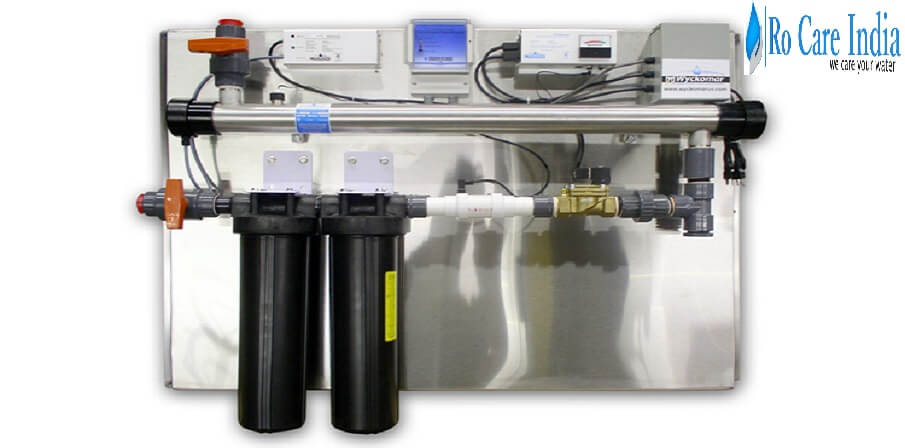
Why UV Lamp Not Glowing in My RO: How to Fix It?
Have you noticed that the UV lamp indicator in your RO water purifier has stopped glowing? This is a common concern among households relying on reverse osmosis systems for safe drinking water. The UV lamp plays a crucial role in eliminating harmful bacteria and viruses, ensuring your water is not just filtered but also microbiologically safe. When this lamp stops working, it compromises the entire purification process, potentially exposing your family to waterborne diseases. Understanding why this happens and knowing the immediate steps to fix it can save you time, money, and most importantly, protect your family's health. If you notice this issue and feel overwhelmed, reaching out to professional ro service gurgaon providers can ensure a quick and reliable solution.
A non-glowing UV lamp doesn't always mean the entire purification system has failed, but it does indicate that the ultraviolet disinfection stage is compromised. This UV stage is typically the last line of defense against microorganisms that might have survived the filtration process. The good news is that many UV lamp issues can be diagnosed and sometimes even fixed at home with basic troubleshooting knowledge. However, understanding when to call professionals from ro customer care gurgaon becomes equally important to avoid further damage to your expensive water purifier.
The UV lamp component is sensitive and requires proper electrical supply, clean water flow, and regular maintenance to function optimally. Various factors ranging from simple power disruptions to complex electronic ballast failures can cause the lamp to stop glowing. In this comprehensive guide, we will explore all possible reasons behind a non-functioning UV lamp, practical troubleshooting steps you can take immediately, and when exactly you should contact ro repair service gurgaon specialists for professional assistance.
Whether you are in a metropolitan area or smaller city, having access to clean drinking water is non-negotiable. This article will equip you with the knowledge to identify UV lamp problems quickly, understand the technical aspects in simple language, and make informed decisions about repairs or replacements. Let us dive into the detailed troubleshooting process that will help restore your RO purifier to its full functionality.
Understanding the UV Lamp Function in RO Systems
The ultraviolet lamp in your reverse osmosis water purifier serves as the final purification stage, specifically designed to neutralize microbiological contaminants. Unlike chemical treatments, UV purification uses ultraviolet light at a specific wavelength of 254 nanometers to destroy the DNA structure of bacteria, viruses, and other pathogens. This process happens instantaneously as water flows past the glowing lamp inside the UV chamber. The lamp must remain continuously lit during water purification to ensure maximum effectiveness against harmful microorganisms.
Modern RO systems incorporate UV lamps as an additional safety measure because reverse osmosis membranes, while excellent at removing dissolved solids and larger particles, may not eliminate all microorganisms effectively. The UV stage provides that extra layer of protection, particularly important in India where water quality varies significantly across regions. When functioning properly, the UV lamp should glow with a distinctive blue or purple hue visible through the indicator window on your purifier. This visual confirmation gives you peace of mind that the disinfection process is active.
The typical lifespan of a UV lamp ranges between 8000 to 10000 hours of operation, which translates to approximately one year of regular household use. However, various factors can cause premature failure or temporary malfunction of the lamp. Understanding these factors helps in proper maintenance and timely intervention. The UV chamber contains not just the lamp but also a quartz sleeve that protects the lamp from direct water contact while allowing UV rays to pass through efficiently. Any mineral deposits or contamination on this sleeve can significantly reduce UV effectiveness even when the lamp appears to be glowing.
Common Causes for UV Lamp Not Glowing
Electrical power supply issues represent the most frequent cause of UV lamp malfunction in RO purifiers. A loose power connection, tripped circuit breaker, or damaged power cord can interrupt the electricity supply to the UV lamp. Check if other electronic components of your RO system are functioning properly. If the storage tank indicator lights are working but only the UV lamp is not glowing, the problem likely lies specifically with the UV circuit rather than the main power supply. Sometimes power fluctuations common in Indian households can damage the electronic ballast that regulates power to the UV lamp.
The electronic ballast serves as the control unit for the UV lamp, converting standard electrical current into the specific voltage and frequency required by the lamp. Ballast failure is a common technical issue, especially in areas experiencing frequent voltage variations. When the ballast fails, the lamp will not receive adequate power to ignite even if all other connections appear fine. This component cannot be repaired and requires complete replacement. Professional ro service gurgaon technicians can quickly diagnose ballast issues using specialized testing equipment and replace it with compatible parts.
Lamp end-of-life is another inevitable cause where the UV lamp simply completes its operational lifespan. Even high-quality lamps gradually lose their ability to produce effective UV radiation over time. The lamp may appear to glow dimly or not at all once it reaches this stage. Regular replacement every 12 months is recommended regardless of whether the lamp still glows, as UV intensity diminishes significantly even when the lamp appears functional. Keeping track of installation dates helps in scheduling timely replacements before complete failure occurs.
Physical damage to the UV lamp or quartz sleeve can occur during cleaning or maintenance attempts. The quartz sleeve is extremely delicate and can crack if subjected to thermal shock such as sudden temperature changes. Similarly, the UV lamp itself is fragile and can break if handled roughly during filter changes. Water leakage into the electrical connections can also cause short circuits that prevent the lamp from functioning. If you notice any moisture around the UV chamber, immediately disconnect power and contact ro customer care gurgaon for safe inspection.
Loose or corroded electrical connections within the UV assembly often develop over time due to humidity and temperature variations. Indian climate conditions with high humidity levels can accelerate corrosion of metal contacts and wire connections. These connection issues may cause intermittent glowing or complete failure of the UV lamp. Regular inspection of visible electrical connections during routine maintenance can help identify early signs of corrosion before they cause complete malfunction.
DIY Troubleshooting Steps You Can Try
Before calling for professional help, several basic troubleshooting steps can be attempted safely at home. Start by checking the power supply to your entire RO system. Ensure the main power switch is turned on and the power indicator lights are functioning. Inspect the power cord for any visible damage such as cuts, burns, or loose connections at both the wall socket and the purifier unit. Try plugging the purifier into a different socket to rule out issues with the particular electrical outlet. If other components of your RO system work normally but only the UV lamp fails to glow, proceed to more specific checks.
Examine the UV lamp indicator window on your purifier. Some models have a separate indicator light that shows UV lamp status rather than making the actual UV lamp visible. Refer to your user manual to understand which type of indicator your model uses. If you can see the actual UV chamber, look for any visible glow inside. The glow may be faint and best observed in reduced lighting conditions. Turn off room lights and check again if you initially see no glow. Sometimes the glow is present but too subtle to notice under bright ambient light.
Check if your RO system has a manual reset button specifically for the UV lamp circuit. Some advanced models incorporate protective circuits that trip when they detect electrical irregularities. Locate the reset button as per your user manual and press it firmly to restore power to the UV circuit. Wait for a few minutes to allow the lamp to warm up before checking if it starts glowing. If the reset button trips repeatedly, this indicates a more serious electrical fault requiring professional ro repair service gurgaon intervention.
Inspect the quartz sleeve inside the UV chamber if your model allows easy access. Refer to your manual for safe disassembly instructions. The quartz sleeve might have developed mineral deposits or scaling that block UV light transmission even when the lamp glows. If you notice any white or yellowish deposits on the sleeve, you can clean it gently using a soft cloth dampened with white vinegar. Never use abrasive materials or harsh chemicals. Rinse thoroughly with clean water and dry completely before reassembling. Ensure the system is completely powered off before attempting any disassembly.
Verify that water is flowing through the system properly. Some RO purifiers have safety mechanisms that prevent the UV lamp from operating when water flow is interrupted. Check if your storage tank is full, which would stop water production and potentially deactivate the UV lamp. Try drawing some water from the tap to initiate flow and see if the UV lamp activates. Inspect inlet valves and filters for any blockages that might restrict water flow. Clean or replace pre-filters if they appear clogged or discolored.
When to Call Professional RO Service Providers
While basic troubleshooting can resolve simple issues, certain situations demand professional expertise to ensure safety and prevent further damage. If you have performed all basic checks and the UV lamp still does not glow, the problem likely involves internal electronic components that require specialized knowledge and tools. Attempting complex repairs without proper training can void warranties and potentially damage expensive parts. Professional ro service gurgaon technicians have the experience to diagnose issues accurately and access genuine replacement parts.
Electrical issues beyond simple connection problems should always be handled by qualified technicians. If you notice any burning smell, sparking, or unusual sounds from the UV chamber area, immediately disconnect power and call professionals. These symptoms indicate serious electrical faults that pose safety risks including fire hazards. Never attempt to operate the purifier under such conditions. Certified technicians follow proper safety protocols and use insulated tools when working with electrical components.
When the UV lamp requires replacement, professional installation ensures proper handling and sealing. UV lamps contain small amounts of mercury and must be disposed of according to environmental regulations. Professional services handle proper disposal and install new lamps with the correct specifications for your model. They also inspect related components like the ballast and quartz sleeve during replacement, identifying potential issues before they cause future problems. This comprehensive approach saves money in the long run by preventing recurring failures.
Complex diagnostic situations where multiple components might be failing simultaneously require systematic testing that only experienced technicians can perform efficiently. For example, distinguishing between a failed lamp, defective ballast, or faulty control board requires specific testing procedures and equipment. Professional ro repair service gurgaon providers carry diagnostic tools and replacement parts, enabling same-day repairs in most cases. They can also provide maintenance advice specific to your water quality and usage patterns.
Preventive Maintenance Tips for UV Lamp Longevity
Regular maintenance significantly extends the life of UV lamps and prevents unexpected failures. Schedule professional servicing every six months even when your system appears to function normally. During these visits, technicians clean the quartz sleeve, check electrical connections, test UV intensity, and assess overall system performance. Preventive maintenance identifies potential problems early, allowing for planned replacements rather than emergency repairs. This approach is more economical and ensures continuous access to safe drinking water.
Keep track of your UV lamp replacement schedule using a simple calendar reminder or the date sticker often provided with new lamps. Replacing the lamp annually, regardless of whether it still glows, ensures optimal disinfection performance. UV intensity decreases over time even when the lamp appears functional, reducing its effectiveness against pathogens. Setting a specific replacement schedule based on installation date prevents you from using a lamp beyond its effective lifespan.
Maintain stable electrical supply to your RO system by using voltage stabilizers in areas prone to power fluctuations. Sudden voltage spikes can damage the electronic ballast and shorten UV lamp life. Consider installing a dedicated stabilizer for your water purifier, especially if other appliances in your home frequently experience electrical issues. This small investment protects the more expensive UV components from premature failure.
Clean or replace pre-filters according to the recommended schedule, typically every three to six months depending on water quality and consumption. Clogged pre-filters force the system to work harder, potentially affecting water flow through the UV chamber. Adequate flow rate is essential for effective UV disinfection, as water must spend sufficient time exposed to UV radiation. Well-maintained pre-filters also prevent sediment from reaching and potentially damaging the UV chamber.
Monitor the quality of water entering your RO system. If you notice sudden changes in water color, odor, or taste, have your source water tested. Highly contaminated water can overwhelm your filtration system and cause various components including the UV lamp to work under stress. Installing additional pre-treatment systems might be necessary if your water source has unusually high contamination levels.
Cost Considerations for UV Lamp Replacement and Repairs
Understanding the typical costs associated with UV lamp maintenance helps in budgeting and making informed decisions about repairs versus replacements. The following table provides approximate price ranges for common UV lamp services in Indian markets:
| Service Type | Price Range (INR) | Typical Duration |
|---|---|---|
| UV Lamp Replacement (Domestic Models) | 800 - 1,500 | 30-45 minutes |
| Electronic Ballast Replacement | 1,200 - 2,500 | 45-60 minutes |
| Quartz Sleeve Replacement | 600 - 1,200 | 30 minutes |
| Complete UV Chamber Assembly | 2,500 - 4,500 | 60-90 minutes |
| Diagnostic Charges (if repair declined) | 200 - 500 | 20-30 minutes |
| Annual Maintenance Contract | 1,800 - 3,500 | Includes 2-4 visits |
These prices vary based on your RO model, brand, and location. Premium or imported models may have higher component costs. Always request detailed quotations from ro service gurgaon providers before authorizing repairs. Compare prices from multiple service providers but prioritize quality and warranty over the lowest price. Using genuine parts costs more initially but ensures longer life and better performance compared to generic alternatives.
Annual maintenance contracts offer good value for regular users, typically including scheduled servicing, filter replacements, and discounted repairs. Calculate your annual maintenance costs including filter changes and compare them with contract prices. For households using RO purifiers extensively, maintenance contracts provide budget predictability and priority service scheduling. Some contracts also include free UV lamp replacement, making them particularly economical.
Consider the age and overall condition of your RO system when deciding between repairs and complete replacement. If your purifier is over five years old and requires expensive repairs like ballast or multiple component replacements, investing in a new system might be more economical. Modern RO purifiers offer better efficiency, advanced features, and improved energy consumption. Consult with professional technicians about whether repair makes financial sense for your specific situation.
Selecting Reliable RO Service Providers
Choosing the right service provider ensures quality repairs, genuine parts, and reliable warranty support. Look for providers with proper certification and training from recognized manufacturers. Authorized service centers have access to genuine spare parts and follow manufacturer-specified repair procedures. Check online reviews and ratings from verified customers to gauge service quality and reliability. Personal recommendations from neighbors or friends who have used the service can be particularly valuable.
Verify the credentials and experience of technicians before allowing them to work on your purifier. Ask about their training, certification, and how long they have been servicing RO systems. Experienced technicians can diagnose issues quickly and often identify potential problems before they cause failures. They should also be able to explain the problem clearly and suggest preventive measures for the future.
Ensure the service provider offers proper warranty on both parts and labor. Standard warranties range from one to three months depending on the component replaced. Insist on a written service invoice detailing the work performed, parts replaced, and warranty terms. This documentation becomes important if issues recur or warranty claims need to be made.
Want to learn more about maintaining your RO system's UV sterilization effectiveness? Explore further resources on water purification technology and discover how regular maintenance schedules can prevent common UV lamp failures. Stay informed about the latest troubleshooting techniques and understand the science behind ultraviolet water treatment to ensure your family's drinking water remains safe and protected.