
Which is the best RO Plant for Hotels and Restaurants and Why?
Water is the backbone of any hospitality business, whether you run a boutique hotel in Gurgaon or a bustling restaurant in Mumbai. Clean, safe drinking water isn't just a necessity; it's a fundamental expectation from your guests and diners. With rising water contamination levels across Indian cities, installing a reliable 500 lph ro plant has become non-negotiable for commercial establishments. But here's the challenge: the market is flooded with options, and choosing the wrong system can cost you lakhs in maintenance, downtime, and disappointed customers. A high-capacity ro plant ensures that your kitchen, beverage station, and guest rooms have continuous access to purified water without compromising on quality or flow rate.
Hotels and restaurants have unique water purification needs that differ vastly from residential requirements. You're not just serving a family of four; you might be catering to hundreds of guests daily, each expecting ice-cold water, perfectly brewed tea, and hygienically prepared meals. A commercial ro plant gurgaon businesses install typically processes between 200 to 1000 liters per hour, depending on establishment size. The 500 LPH capacity strikes the perfect balance for mid-sized hotels with 30-50 rooms and restaurants serving 100-200 covers daily. This capacity ensures you never run dry during peak hours while avoiding the unnecessary expense of oversized systems.
Understanding the water quality in your area is crucial before making this investment. Cities like Gurgaon, Delhi, and Bangalore face different water challenges—from high TDS levels exceeding 2000 ppm to contamination with heavy metals, chlorine, and bacterial impurities. The best ro plant for your establishment must address these specific local water conditions. Installation location, available floor space, electrical supply, and drainage facilities also influence which model works best for your property. Many hotel owners make the mistake of focusing solely on initial cost, ignoring operational expenses like electricity consumption, membrane replacement frequency, and water wastage ratio.
Why 500 LPH Capacity is Ideal for Most Hotels and Restaurants
The 500 lph ro plant capacity represents the sweet spot for commercial hospitality operations for several practical reasons. First, it provides approximately 4000-5000 liters of purified water during a standard 10-hour operational day, which covers drinking water, cooking, ice-making, and beverage preparation for most mid-sized establishments. During breakfast rush hours or dinner service peaks, this capacity maintains consistent water pressure and flow rate, eliminating bottlenecks in kitchen operations.
Second, this capacity range offers better recovery rates compared to smaller systems. While a residential RO might waste 3 liters for every liter purified, commercial 500 LPH systems typically achieve 40-50% recovery, significantly reducing water wastage and municipal water bills. For hotels in water-scarce regions, this efficiency translates into substantial savings and demonstrates environmental responsibility to increasingly conscious guests.
Third, maintenance becomes more manageable with this capacity. The filtration stages in a 500 LPH system—typically including sediment filters, activated carbon filters, RO membranes, and UV sterilization—are designed for commercial durability. Filter cartridges last 6-12 months depending on source water quality, while membranes can function effectively for 2-3 years before requiring replacement. Smaller systems would need more frequent servicing under the same load, increasing operational disruptions.
Key Features to Look for in Commercial RO Plants
Not all ro plant systems are created equal, especially in commercial applications. The best models incorporate specific features that ensure reliability, efficiency, and longevity. Automatic operation with minimal manual intervention tops the priority list. Your staff shouldn't need to constantly monitor the system; auto-flushing membranes, automatic TDS monitoring, and self-cleaning cycles ensure consistent performance without constant supervision.
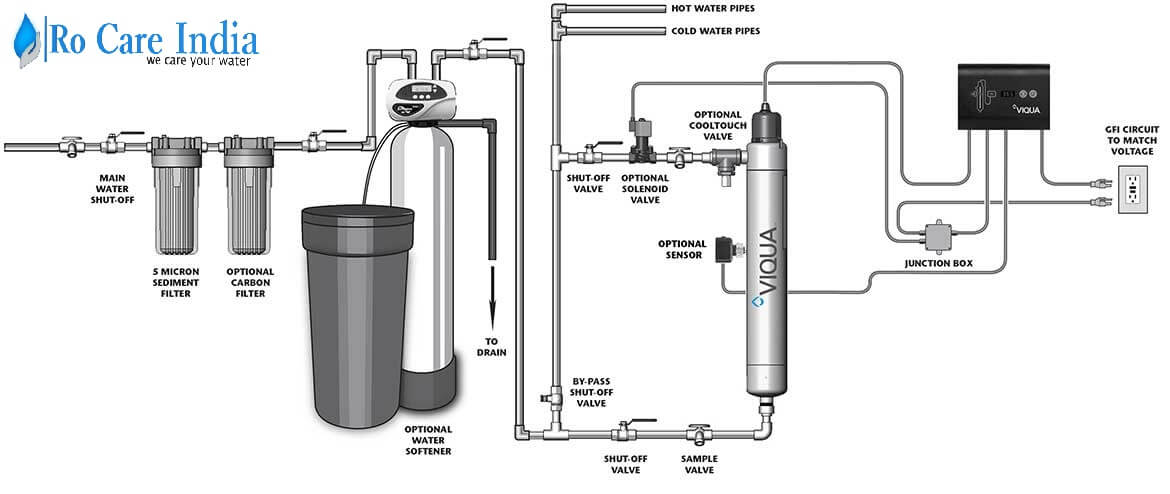
Multi-stage purification is non-negotiable. A comprehensive system should include sediment pre-filters to remove suspended particles, activated carbon filters to eliminate chlorine and organic compounds, RO membranes to reduce dissolved salts and heavy metals, and post-purification UV or UF stages to ensure microbiological safety. This combination guarantees water that meets Bureau of Indian Standards (BIS) specifications for drinking water.
Stainless steel components and food-grade materials throughout the water pathway prevent contamination and ensure durability. Commercial kitchens face harsh conditions—heat, humidity, and constant use—so components must withstand these challenges. Digital displays showing TDS levels, filter life indicators, and operational status help staff monitor system health and schedule timely maintenance before problems arise.
Comparison of RO Plant Types for Hospitality Use
| RO Plant Type | Capacity Range | Best Suited For | Average Price Range (INR) | Key Advantage |
|---|---|---|---|---|
| Floor-Mounted Commercial | 200-500 LPH | Mid-sized hotels, restaurants | 80,000-1,50,000 | Easy maintenance access |
| Wall-Mounted Commercial | 100-300 LPH | Small cafes, guest houses | 60,000-1,00,000 | Space-saving design |
| Industrial RO Systems | 500-2000 LPH | Large hotels, banquet halls | 1,50,000-4,00,000 | High capacity, robust build |
| Modular RO Plants | Customizable | Chain hotels, multi-outlet restaurants | 2,00,000-6,00,000 | Scalable, centralized control |
Top Reasons Why Hotels Choose Specific RO Plant Models
Guest satisfaction drives every decision in hospitality, and water quality directly impacts their experience. Hotels prioritize ro plant systems that deliver consistent taste and purity. Guests notice when water tastes metallic or smells of chlorine, and negative reviews mentioning poor water quality can damage your property's reputation permanently. The best systems maintain TDS levels between 50-150 ppm, which tastes pleasant while retaining essential minerals.
Operational cost efficiency matters enormously in the competitive hospitality sector where margins are tight. The most economical 500 lph ro plant isn't necessarily the cheapest to purchase but the one with lowest total cost of ownership over five years. This includes electricity consumption (systems consuming 1-2 units per hour are most efficient), water wastage ratio, membrane longevity, and service costs. Smart hotel managers calculate these factors before purchasing.
Compliance and safety cannot be compromised. Commercial establishments face stricter regulations than homes regarding food safety and hygiene. A proper ro plant ensures you meet FSSAI (Food Safety and Standards Authority of India) requirements and local health department standards. During inspections or audits, having certified purification systems demonstrates your commitment to guest welfare and protects you from legal liabilities.
Finding the Right RO Plant Provider in Your City
Location matters significantly when selecting an ro plant gurgaon hotels install because of service and support considerations. Even the best system requires periodic maintenance, emergency repairs, and filter replacements. Local suppliers and service providers ensure faster response times when issues arise. A plant breakdown during wedding season or a major event can be catastrophic, so having technicians available within hours rather than days becomes critical.
Authorized dealers versus local assemblers present an important choice. Authorized dealers offer genuine components, proper warranties, and trained installation teams. Local assemblers might quote lower prices but often use substandard membranes, pumps, or filters that fail prematurely. For commercial applications handling hundreds of guests, the reliability premium is worth paying.
When evaluating providers, ask about their existing commercial installations. Visit similar hotels or restaurants using their systems, speak with those managers about uptime, service quality, and hidden costs. Request detailed quotations that break down all components, installation charges, and annual maintenance costs. Reputable providers conduct free water testing to recommend appropriate system specifications based on your source water quality.
Installation and Operational Considerations
Proper installation determines long-term system performance. The ro plant requires adequate space with proper ventilation, drainage connections for reject water, and stable electrical supply with earthing. Many hotels install systems in basement utility areas or dedicated plant rooms, keeping noise and space requirements away from guest areas. Ensure your chosen location allows easy access for technicians during servicing.
Pre-treatment of incoming water extends membrane life significantly. If your municipal or borewell water has TDS above 2000 ppm or high iron content, installing additional pre-filters or softeners protects the expensive RO membranes. This initial investment reduces replacement frequency and operational costs substantially.
Staff training often gets overlooked but proves essential. Designate team members to monitor daily operation, understand warning indicators, and perform basic troubleshooting. They should know when to call for professional service versus handling minor issues like replacing sediment filters. Well-trained staff prevents small problems from becoming expensive emergencies.
Conclusion
Selecting the best ro plant for your hotel or restaurant requires balancing capacity, features, cost, and local service availability. The 500 lph ro plant emerges as the optimal choice for most mid-sized establishments, providing sufficient purified water during peak hours while maintaining reasonable operational costs. Focus on systems with multi-stage purification, automatic operation, and durable construction using food-grade materials. Don't make decisions based solely on initial purchase price; calculate total ownership costs including electricity, maintenance, and consumables over several years. Working with reliable local providers ensures prompt service when you need it most. Whether you operate a property in Gurgaon, Bangalore, or anywhere across India, investing in the right commercial RO system protects your guests' health, enhances their experience, and safeguards your reputation in an increasingly quality-conscious market. Take time to assess your specific water quality, daily consumption patterns, and growth plans before making this crucial investment in your hospitality infrastructure.